
(English below)
설 연휴 직전에 LA와 Orange County로 6일간 출장을 다녀왔다. 작년에 총 3번 다녀왔지만 LA 코리아타운은 제대로 못둘러봤는데, 이번에는 금요일 저녁에 지인 집에서 1차로 저녁을 먹고 밤 10시에 나가서 2차를 “한타”에 있는 교촌치킨에서 하기로 하고 나갔다.
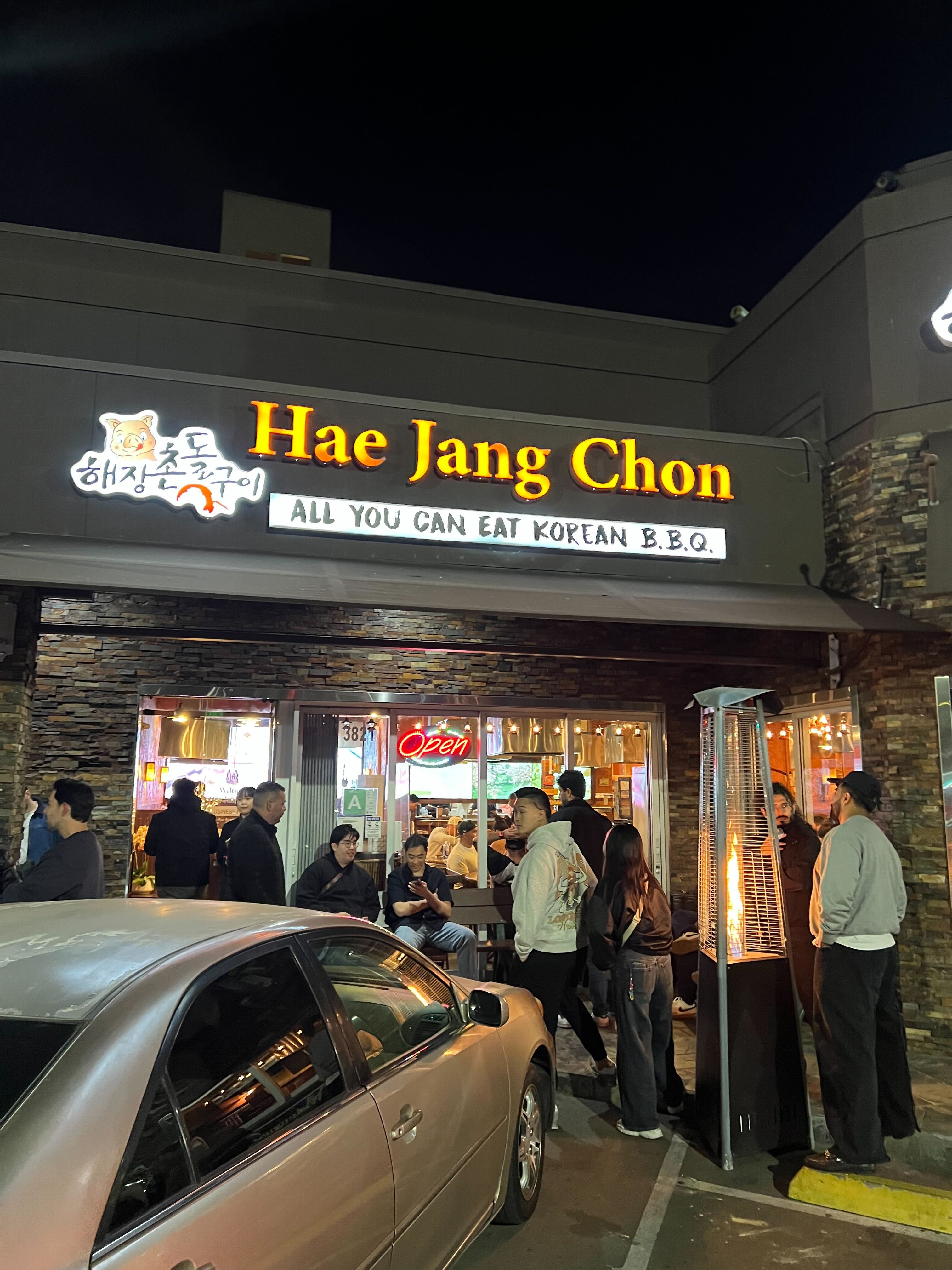
치킨이 먹고 싶기는 했지만 교촌치킨은 너무 밝은 조명이라 이미 1차를 하고 온 우리 일행에게는 별로였고, 그 옆에 있는 다른 술집으로 향했다. 시간은 10시30분. 같은 몰에 있는 “해장촌” 이라는 정말 촌스러워 보이는 고기부페 가게에 한국인도 아닌 현지 젊은이들이 20명 정도 웨이팅을 하고 있었다. 밤 10시가 넘은 시간에. 고기 부페에. 왜? 그것도 이름이 해장촌…?? WTF???
알고보니 현지에서는 아주 핫한 가게였다. 요즘 미국 물가를 생각하면 저기서 술까지 마시면 인당 10만원은 가뿐하게 나올텐데…밤 10시까지 웨이팅이 있고, 우리가 나온 12시까지도 손님이 꽉 차 있었다. 내가 미국에 살던 2010년대 초반까지는 한국 음식점에 아시아계가 아닌 미국인 동료들은 가본 경험이 별로 없었다. 그래서 회식장소로 선택되는 경우는 거의 없었는데, 요즘에는 회사에서도 단체로 많이 간다고들 했다.
그리고 며칠 뒤에 LA에 사시는 90년대 학번에 같은 부산 출신인 선배를 만나서 수다를 떨다가, 그 당시에 광안리에서 웬디스랑 피자헛이 얼마나 대단한 곳이었는지 회상을 했었다. 가장 먼저 웬디스가 생겼고, 그 뒤에 맥도날드, 피자헛, 나중에는 KFC도 생겼고 미국 현지에서의 위상에 비하면 정말 대단한 인기와 프리미엄을 누렸다. 아마 다른 아시아 지역에서도 마찬가지였을거다. 이 뒤에는 TGI Fridays와 베니건스가 그 바통을 이어받아 내 대학시절 핫플이 되었는데, 미국에서는 그냥 그저그런 프랜차이즈 식당이었던 것으로 안다.
K-Pop, K-Drama 덕분에 K-Food, K-Beauty, K-Fashion 등으로 해외 소비자들이 점점 Made in Korea 브랜드와 경험에 대한 선호가 생기고 있다. 우리도 이런 트렌드를 등에 업은 사업을 하고 있기에, 항상 주변 사람들이 물어본다. 이 트렌드는 얼마나 갈까? 중국에서 한국 브랜드들이 반짝하고 거품이 금방 꺼졌는데, 이것도 기껏 몇 년 아닐까?
여기에 대한 답은 첫째로는 공급자들 = 즉, 브랜드와 제품을 만드는 한국 기업들에게 달려있다고 본다. 해장촌 K-BBQ에서 호기심에 이끌려 한 번 사먹어본 고객이 다음에 돌아오지 않는다면 5년안에 거품은 사그라들것이다. K-beauty도 마찬가지로, 지금 미국시장에서 부는 열풍이 재구매와 카테고리 확대로 이어지지 않는다면 더 큰 성장은 없을 수도 있다. 하지만, 앞으로 미국을 비롯한 전세계에서의 기회는 너무나 크고, 반면 국내에서는 더이상의 기회가 없기에 공급자들이 여기에 사력을 다해서 혁신을 만들거라고 확신한다.
서양에서의 일본 문화와 음식에 대한 위상을 생각해보자. 스시가 처음 미국에 소개되었을때도 비슷한 의문을 품지 않았을까? 이 특이한 음식을 사람들이 과연 계속 소비할까? 30, 40년이 지난 지금도 스시는 전세계에서 소비되는 카테고리로 완전히 자리를 잡았다. 우리 김밥이나 BBQ도 스시나 훠궈처럼 충분히 전세계에서 장기적으로 소비될 가능성이 있다. 유니클로도 전세계에서 성공한 브랜드로 자리를 잡았고 이와 같은 사례는 무궁무진하다.
K-뷰티 업계에서는 “단군 이래 최고의 기회”가 왔다는 말을 종종 소셜미디어에서 보게 된다. 2025년 첫 출장, LA에서 금요일 밤 10시에 고기부페 식당 앞에 늘어선 수많은 찐 미국인들을 보고 나니 더욱 그런 확신이 든다. 다들 올해 더 잘 해봅시다!!!
(English – with ChatGPT)
Just before the Lunar New Year holiday, I went on a six-day business trip to Los Angeles and Orange County. Although I visited three times last year, I didn’t get a proper chance to explore LA’s Koreatown. This time, after having the first round of dinner at a friend’s house on Friday evening, we decided to go out at 10 PM for a second round at Kyochon Chicken in “Hanta” (a nickname for Koreatown).
I was craving fried chicken, but Kyochon was too brightly lit, which wasn’t ideal for our group, having already had our first round. So, we headed to another bar next door. It was 10:30 PM. In the same shopping mall, there was a very shabby-looking Korean BBQ buffet called “Haejangchon.” Strangely, about 20 young locals—not even Koreans—were waiting in line. At past 10 PM. For an all-you-can-eat meat buffet. Why? And the name was “Haejangchon” (doesn’t sound trendy at all)…?? WTF???
It turned out to be a very popular spot among locals. Considering the current prices in the U.S., adding alcohol to a meal there would easily cost over $100 per person. But there was still a waiting list until 10 PM, and even when we left at midnight, the place was packed. Back in the early 2010s, when I was living in the U.S., my non-Asian American colleagues had little to no experience dining at Korean restaurants. They were almost never chosen as group dinner spots. But now, I heard that even corporate teams often go there in groups.
A few days later, I caught up with an older friend who, like me, is from Busan and was a university student in the ’90s. We reminisced about how popular Wendy’s and Pizza Hut were in Gwangalli back then. Wendy’s came first, followed by McDonald’s, Pizza Hut, and later KFC. Compared to their status in the U.S., they were incredibly popular and considered premium. I imagine this was the case in other parts of Asia as well hearing from Japanese/Chinese friends. Later, TGI Fridays and Bennigan’s took over as the trendy hotspots during my college years, though in the U.S., they were just average chain restaurants.
Thanks to K-Pop and K-Dramas, global consumers are increasingly favoring “Made in Korea” brands and experiences in K-Food, K-Beauty, and K-Fashion. Since our business is also riding this trend, people often ask me: “How long will this last? Korean brands had a short-lived boom in China before the bubble burst. Won’t this be the same?”
The answer depends primarily on the suppliers—meaning the Korean companies that create these brands and products. If first-time customers at a place like Haejangchon don’t return, the hype will fade within five years. The same goes for K-Beauty—if the current craze in the U.S. doesn’t lead to repeat purchases and category expansion, significant growth may not follow. However, I believe the global opportunity—especially in the U.S.—is massive, while opportunities in the domestic market are shrinking. That’s why Korean suppliers will put their full effort into driving innovation.
Think about the status of Japanese culture and food in the West. When sushi was first introduced in the U.S., didn’t people have similar doubts? “Will people really keep eating this unusual food?” Decades later, sushi has become a global staple. There’s no reason why Korean foods like kimbap or BBQ couldn’t achieve the same long-term success as sushi or hotpot. Uniqlo has also established itself as a successful global brand, and countless other examples exist.
In the K-Beauty industry, there’s a saying that this is “the greatest opportunity since the founding of Korea.” Seeing a long line of local LA people waiting in front of a Korean BBQ restaurant at 10 PM on my first business trip of 2025 to LA only reinforced my belief.
Let’s all make this year an even bigger success!!!

 The New Korean
Leave a comment